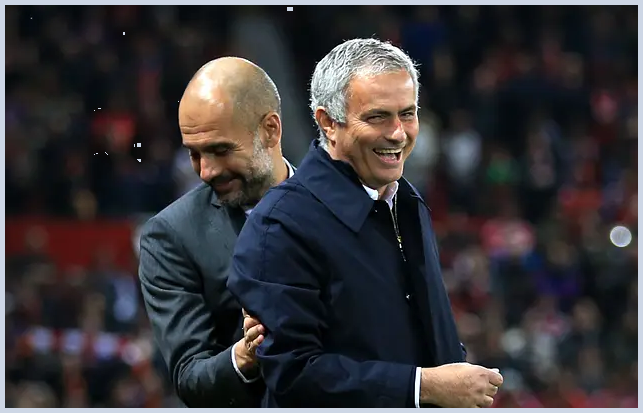
Football Managers Who Revolutionized the Game by Ruling the English Season
Football constantly evolves. One season introduces a tactical trend; another season completely changes how teams play. But every major shift in football usually begins with a manager brave enough to challenge tradition.
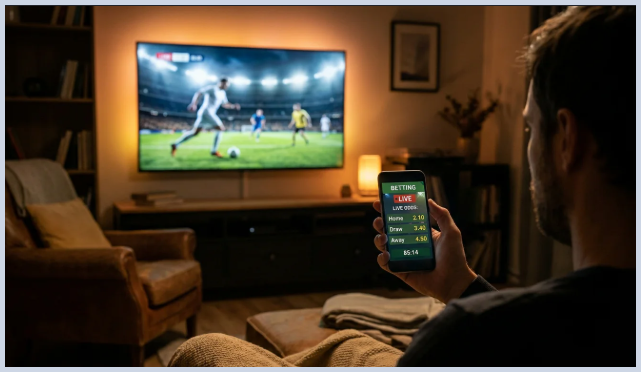
As fans analyze results, celebrate goals, and search for today’s betting tips, many overlook the masterminds standing on the touchline. Managers shape identities, inspire players, and sometimes reinvent football itself.
The recently concluded English season gave us another reminder that elite coaches can dramatically alter the landscape of the game. Some exceeded expectations, some transformed struggling clubs into contenders, while others redefined how football should be played.
Let's dive into the football minds that made the season unforgettable.
Mikel Arteta
There was a time when many questioned whether Mikel Arteta could truly deliver. That conversation feels very different today. Arteta has transformed his side into one of England's most complete teams.
The recently concluded season highlighted how much growth had taken place. The football became more mature, the pressing looked smarter and the squad rotation improved.
Most importantly, players understood their roles.
Modern football managers increasingly resemble chess players. Every movement matters. Every position matters. Arteta embraced that evolution.
His side didn't simply attack or defend. They controlled matches. That distinction separates good teams from elite ones.
Pep Guardiola
Few managers changed football like Guardiola.
From positional play to high pressing and fluid movement, his influence reaches almost every modern team. His work in England transformed the Premier League into a tactical laboratory.
During the recent season, Guardiola once again showed why elite coaching matters. Even while facing tougher competition, his team maintained technical control and tactical discipline.
Many managers copy systems today, but Guardiola created trends others follow.
Modern football discussions constantly include inverted fullbacks, controlled possession, and positional rotations because Guardiola pushed these ideas into the mainstream.
Michael Carrick
Carrick may not belong beside Premier League-winning giants yet, but his coaching growth deserves attention. His calm tactical approach and emphasis on structure have impressed many observers. Sometimes football revolutions begin quietly.
Michael Carrick took over a struggling Manchester United side and transformed their season, guiding them back into the Champions League places after a remarkable run. United climbed from the chasing pack into a guaranteed top-three finish under his leadership.
Carrick remains one of the managers many fans will watch closely in future seasons.
The Modern Manager Has Become Football's Biggest Difference-Maker
Years ago, managers mostly selected lineups and delivered team talks. Today, they influence nutrition, psychology, recruitment, analytics, and tactical innovation.
Football has evolved beyond simply placing talented players together. Managers now build ecosystems.
The recently concluded English season highlighted that reality perfectly.
Whether it was Carrick introducing tactical freshness, Arteta rebuilding belief, or Guardiola refining excellence, each coach left a clear fingerprint on the campaign.
As fans continue checking transfer rumors, debating tactics, and looking for todays betting tips, one thing remains certain:
Football may belong to players on the pitch, but many of its biggest transformations begin with the managers standing beside it.
The game keeps changing. And somewhere, another revolutionary is already preparing the next chapter.
💬 Comments (0)
No comments yet. Be the first!
Leave a Comment