
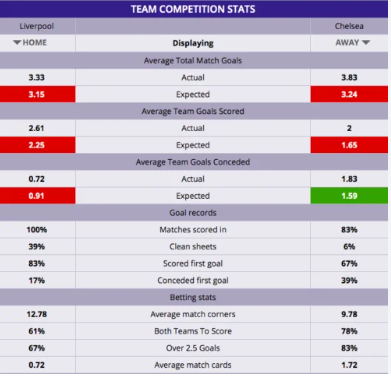
Not every football match is decided by which team has the better players, stronger reputation or higher position on the league table. Sometimes, two teams enter a fixture with different backgrounds but similar levels of competitiveness, making it difficult for either side to secure all three points. These are the types of encounters where a draw becomes a realistic possibility.
When studying weekly football fixtures, identifying potential draw matches requires patience and careful observation. A fixture between two evenly matched teams might immediately attract attention, but the signs of a possible stalemate are not always obvious. Some matches involve defensively organised sides, while others feature teams that struggle to convert chances into goals.
Understanding how to identify potential draw matches when studying weekly football fixtures can help football followers examine upcoming games more intelligently. Instead of selecting matches simply because both teams appear competitive, it is important to investigate their recent performances, scoring habits, defensive records and other factors that could influence the final result.
Here are some important areas worth examining.
Look for Teams with Similar Levels of Performance
One of the first things to consider when searching for potential draw matches is the competitive balance between the two teams.
When two clubs have similar playing strengths, neither may possess a clear advantage going into the fixture. This can produce a closely contested encounter in which both sides find it difficult to dominate.
Start by comparing their league positions, points accumulated, number of victories and overall goal differences. However, avoid assuming that teams occupying nearby positions will automatically produce a draw.
For example, a fourth-placed team and a sixth-placed team might appear evenly matched. But if the fourth-placed side has been winning comfortably while its opponent has struggled defensively, the difference could be greater than the table suggests.
Look for genuine similarities in performance rather than relying exclusively on league rankings.
Study Recent Draw Records
Previous results can provide useful information about how teams approach competitive matches. Some clubs regularly finish their matches level because they maintain organised defensive structures, struggle to create clear scoring opportunities or frequently encounter opponents capable of matching their strengths.
When examining weekly fixtures, review each team's last five to ten competitive matches and identify how frequently draws have occurred. Pay particular attention to consecutive draws or repeated stalemates against opponents with different playing styles.
However, a team's previous draw record should not be treated as a guarantee of another one. A club that has drawn three consecutive matches could be preparing to face an opponent with serious defensive weaknesses.
The purpose of studying previous results is to recognise recurring patterns and understand the circumstances behind them.
Examine Goals Scored and Goals Conceded
Scoring statistics can reveal whether a fixture has the characteristics of a closely contested match. Teams that score relatively few goals may struggle to establish a comfortable advantage. When both opponents also possess organised defences, the possibility of a low-scoring encounter becomes more interesting.
Examine the average goals scored and conceded by each side over their recent matches.
For example, consider two hypothetical teams:
- Team A averages 1.1 goals scored and 0.9 conceded per match.
- Team B averages 1.0 goals scored and 0.8 conceded per match.
These figures suggest that both teams have relatively modest attacking output and reasonably organised defences. A match involving such sides could develop into a tight contest, particularly if neither creates enough opportunities to establish control.
Results such as 0-0, 1-1 and occasionally 2-2 become relevant possibilities to consider. Nevertheless, low scoring alone does not establish that a draw is likely.
Pay Attention to Defensive Consistency
Defensive organisation is another important factor when identifying potential draw matches.
Some teams may not possess exceptional attacking players, but they compensate through disciplined defending, effective midfield protection and good communication between their defenders.
Such clubs can be difficult to break down, even when facing opponents with stronger attacking reputations. Compare how frequently each team keeps clean sheets and how many goals it concedes against different levels of opposition.
Also examine whether their defenders regularly allow opponents to create dangerous opportunities. A fixture involving two defensively reliable teams deserves closer attention, especially when neither has demonstrated consistent attacking effectiveness.
However, defensive strength must be considered alongside attacking ability. Two strong defences do not automatically produce a draw if one team has an outstanding forward line capable of deciding the contest.
Compare Home and Away Records
A team's overall performance can sometimes hide important differences between its home and away results. Some clubs are difficult to defeat on their own ground but struggle when travelling. Others perform consistently well regardless of the venue.
When studying weekly football fixtures, examine how both teams have performed in their respective home and away matches. For example, a home team that regularly draws against competitive opponents could face an away side with a similar record on the road.
This combination may suggest a balanced encounter. Look beyond the number of points collected. Examine goals scored, goals conceded, clean sheets and the frequency of narrow victories or defeats. Venue-specific statistics can help reveal whether either side has a meaningful advantage.
Investigate Previous Head-to-Head Meetings
Previous meetings between two clubs can offer additional information about how their playing styles interact.
Some teams consistently produce closely contested matches whenever they meet. Their encounters might feature limited scoring opportunities, cautious tactics and long periods of midfield battles.
Review the last five or six head-to-head meetings where sufficient relevant records are available. Look for repeated draws, narrow scorelines and similarities in the way the matches developed.
However, historical results should never be considered in isolation. Managers change, players move between clubs and tactical approaches evolve. A meeting from several seasons ago might have little connection with the current strengths of both teams.
Give greater attention to recent encounters and consider whether the teams still have similar characteristics.
Consider Team News and Player Availability
Injuries and suspensions can significantly influence the balance of a football match. The absence of an important striker could weaken a team's ability to convert scoring opportunities. Similarly, losing a creative midfielder might reduce its attacking effectiveness.
On the other hand, missing a first-choice goalkeeper or central defender could make a team more vulnerable. When searching for potential draws, check whether important attacking or defensive players are unavailable.
A fixture that initially appears balanced could become less predictable after significant team news emerges. Also consider squad rotation, particularly when clubs are involved in European competitions or congested domestic schedules.
Reliable team information helps prevent outdated assumptions from influencing match analysis.
Watch Out for Matches Between Cautious Teams
Tactical approaches can have a major influence on whether a match produces a winner. Some managers prefer to protect their defensive structure rather than commit too many players forward. This approach is particularly common when facing opponents considered equally strong or difficult to defeat.
When both managers adopt cautious strategies, the match may develop slowly, with limited attacking risks and fewer clear opportunities. Examine how each team approaches difficult fixtures. Do they press aggressively, maintain possession or prefer to defend deep and counterattack?
A match between two cautious sides could be worth investigating, especially when their attacking records are also modest. However, tactical caution can change during a match. An early goal may force the losing side to abandon its original approach.
Conclusion
Identifying potential draw matches when studying weekly football fixtures requires more than searching for teams with similar league positions. It involves understanding their recent performances, examining scoring patterns, evaluating defensive consistency and considering how their playing styles might influence the encounter.
The most interesting fixtures are often those where neither team has demonstrated a clear advantage and both possess the qualities needed to prevent the other from taking control.
Although no method can guarantee a correct draw prediction, combining several performance indicators can make football analysis more thoughtful and organised. Rather than rushing through the weekly fixture list, take time to understand the teams behind the numbers. Sometimes, the smallest details reveal which matches deserve closer attention.