How Social Media Is Changing Football Fandom
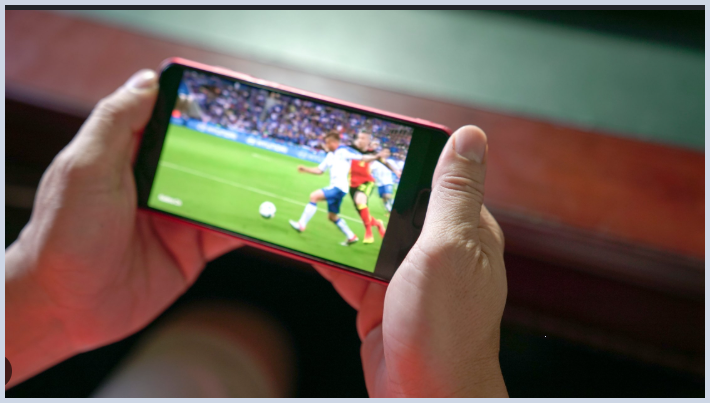
Football has always been more than just ninety minutes on the pitch. It is emotion, loyalty, debates with friends, and memories shared across generations. But over the last decade, the way people experience football has transformed dramatically. Today, fans do not simply sit in front of a television and wait for the next weekend fixture. Smartphones, social media platforms, and instant content have completely rewritten the fan experience.
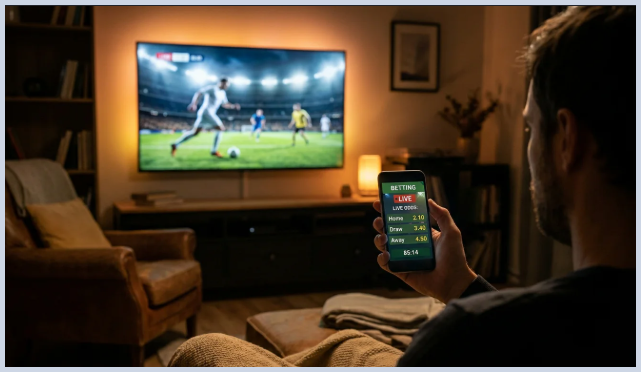
And if you follow todays betting tips, you've probably noticed something too. Match discussions, injury news, tactical updates, and fan reactions now spread across social platforms within seconds, changing how supporters and bettors consume football information.
Football fandom has become digital, faster, louder, and more connected than ever.
Fans No Longer Watch Football Alone
There was a time when football viewing was mostly a local experience. You watched games with family members, neighbors, or friends at viewing centers. Conversations happened before kickoff or after the final whistle.
Now? Matchday starts hours before kickoff and often continues long after the game ends.
During matches, supporters flood platforms with reactions. A controversial penalty can trend globally within minutes. Fans celebrate goals with memes, emotional posts, and instant analysis.
A supporter sitting in Nigeria can celebrate with fans in Argentina, debate with supporters in England, and react alongside viewers in Asia, all during the same game.
Social media has removed borders from football conversations. The football community is now global.
Footballers Have Become More Accessible
Years ago, players felt untouchable. Fans saw them on television and occasionally read interviews in newspapers.
Today, players share training clips, family moments, locker room celebrations, vacations, and personal thoughts directly online.
Supporters feel closer to players than ever before.
Fans can follow daily updates from their favorite stars and witness personalities beyond what happens on the pitch. This creates stronger emotional connections.
Footballers are no longer just athletes. They have become brands, influencers, and content creators.
Supporters now follow not only performances but lifestyles. That relationship between fans and players has changed football culture significantly.
Memes Have Become Football Language
Modern football fandom has developed a language of its own. And memes are a huge part of it.
One missed penalty can become a joke for months. One awkward celebration can create thousands of viral edits overnight.
Football conversations are no longer limited to tactical discussions. Humor now drives engagement. Fans communicate through images, clips, reaction posts, and trends that spread rapidly across platforms.
Sometimes a meme becomes more memorable than the actual match itself. Love it or hate it, memes have become part of football identity.
Football News Travels Faster Than Ever
Transfer rumors used to arrive through newspapers or television reports. Now one post can send football fans into chaos. A journalist uploads a transfer update, and within minutes millions react.
Supporters track every rumor, every injury update, every lineup leak, and every managerial story in real time. This speed creates excitement, but it also creates problems.
False stories spread quickly. Fake transfer updates can fool thousands of supporters before facts emerge.
Football fans now consume information at incredible speed, but they must also learn how to separate reliable reporting from noise.
Fan Content Creators Are Changing Football Media
Traditional broadcasters once controlled football discussions. That landscape has shifted.
Today, fans themselves produce football content daily. Podcasters analyze tactics. YouTubers break down transfer stories. TikTok creators share match reactions.
Independent football pages post highlights and discussions around the clock. Fans no longer rely entirely on television networks for football opinions. The audience itself has become part of football media.
And surprisingly, some supporters trust independent creators more than major outlets. That shift says a lot about modern fandom.
Social Media Has Changed Matchday Emotions
Football has always been emotional. Social media intensifies those emotions.
A player who scores can receive endless praise within minutes. The same player might face harsh criticism after a poor performance. Reactions have become immediate and sometimes extreme.
Supporters celebrate higher highs and experience lower lows because discussions happen instantly. This creates energy and excitement, but it also increases pressure on players.
Footballers now perform not only in stadiums but also under constant online attention. The digital crowd never sleeps.
The Future of Football Fandom Is Already Here
Social media has transformed football from a weekly event into a nonstop experience.
Fans wake up to transfer news, watch behind-the-scenes content during the day, join live match discussions at night, and continue debating after games end. Football now lives everywhere.
On phones, timelines, inside group chats, and across communities worldwide.
The relationship between clubs and supporters has evolved permanently. Football fandom is no longer limited by geography or stadium attendance. It exists online every second.
And as technology continues growing, one thing feels certain: The next generation of football supporters may never know a world where football and social media were separate.
Because modern football fandom now begins with a screen and often never leaves it.
💬 Comments (0)
No comments yet. Be the first!
Leave a Comment