
Football matches can change dramatically after the first goal. Sometimes, an early strike gives a team the confidence to dominate the rest of the game. On other occasions, it forces the opposition to abandon its original approach and chase an equaliser. This excitement is one reason many football followers pay attention to the first-goal betting market.
How to bet on the team to score the first goal is a useful topic for anyone interested in understanding this particular football betting option. Rather than predicting the final score or choosing the eventual winner, this market focuses on identifying which side will find the back of the net first.
Although the idea sounds straightforward, making a thoughtful selection requires more than simply choosing the favourite. Team form, attacking quality, defensive weaknesses and previous match performances can all provide useful information.
What Does Team to Score the First Goal Mean?
The team to score the first goal market allows bettors to predict which team will score the opening goal of a football match.
For example, imagine Manchester United are playing Newcastle United. The available options might include Manchester United to score first, Newcastle United to score first or no goal to be scored.
If Manchester United score in the 18th minute and Newcastle equalise later, the Manchester United first-goal selection wins. The important detail is that the selection concerns the opening goal, not which team eventually wins the match.
This distinction makes the market different from ordinary match-result betting. A team can lose the match and still be the correct first-goal selection.
How to Bet on the Team to Score the First Goal
Understanding the process is relatively easy, especially when using a football betting platform that offers this market.
Here are the basic steps involved:
1. Choose a football betting platform
Start by selecting a licensed and reputable betting operator that provides first-goal markets. Check the available markets and settlement rules before making any selection.
2. Find your preferred football match
Navigate to the football section and select the competition or fixture you want to examine. Not every match will necessarily have a first-goal market available.
3. Locate the first-goal option
Look through the available betting markets for options such as "First Team to Score" or "Team to Score First". The exact wording may differ between platforms.
4. Examine the available selections
You will generally find options for the home team, away team and sometimes no goal. Read the available choices carefully to avoid confusing this market with first-half goals or the team to score the next goal.
5. Review the odds and place your selection
Compare the available odds and decide whether the selection reflects your assessment of the match. If you choose to participate, only use an amount you can comfortably afford to lose.
Important Factors to Consider Before Choosing a Team
Knowing how to place a selection is only one part of understanding this market. The more challenging task is assessing which team has a reasonable chance of scoring first.
Several factors deserve attention.
1. Recent Attacking Form
A team that regularly creates scoring opportunities may have a better chance of finding an early breakthrough than one struggling to produce attacking football.
Look beyond the number of goals scored. Examine how many shots the team takes, how frequently it creates clear chances and whether its forwards are performing consistently.
A side that has scored in the opening stages of several recent matches may also be worth examining. However, previous performances do not guarantee another early goal.
2. Defensive Strength of the Opponent
Attacking quality is important, but the opposition's defensive performance matters just as much. Consider whether the opposing team regularly concedes goals, struggles against quick attacks or has difficulty defending crosses and set pieces.
For instance, a team with dangerous wingers could create problems for an opponent whose full-backs frequently leave spaces behind them. Such weaknesses may influence which side scores first.
3. Home and Away Performance
Home advantage can influence the opening stages of a football match. Some teams begin aggressively in front of their supporters, applying pressure and looking for an early goal.
However, playing away does not automatically put a team at a disadvantage. Certain sides are particularly effective on the counterattack and can punish opponents that commit too many players forward.
Compare both teams' home and away scoring records rather than relying on reputation alone.
4. First-Half Scoring Statistics
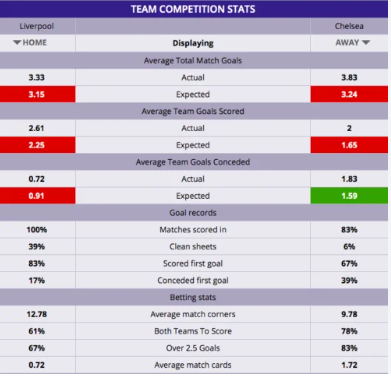
Since the opening goal can happen at any stage of the match, first-half statistics offer useful information.
Check how frequently each team scores before half-time and how often it concedes during the same period. A club that consistently starts matches strongly may have an advantage over an opponent that usually takes time to settle.
Still, statistics should be considered alongside current team news and the quality of the opposition.
5. Team News and Tactical Approach
Injuries, suspensions and rotation can affect a team's attacking strength. The absence of a regular striker or creative midfielder may reduce its ability to create opportunities.
The manager's approach also matters. An aggressive starting formation could encourage early pressure, while a cautious setup may produce a slower opening.
Understanding these details can help explain why two teams with similar overall records might approach the first 20 minutes differently.
Is the First Team to Score Market Different From First-Half Betting?
Yes. These markets are related but do not mean the same thing. The first-team-to-score market focuses on which side scores the opening goal throughout the match. First-half betting, on the other hand, concerns events that happen before the half-time whistle.
For example, if a match remains goalless at half-time but one team scores in the 67th minute, that team wins the first-goal selection. However, no team would have scored in the first half. Understanding this difference is important when reviewing betting options.
Final Thoughts
Learning how to bet on the team to score the first goal involves understanding the market and examining the factors that influence the opening stages of a football match. Attacking form, defensive weaknesses, home and away performances, first-half statistics and team news can all contribute to a more informed assessment.
However, no amount of research can guarantee the outcome. Football is unpredictable, and an unexpected mistake, penalty or moment of individual brilliance can change a match within seconds.
Treat first-goal betting as a form of entertainment rather than a reliable way to make money. Set clear spending limits, avoid chasing losses and never stake money you cannot afford to lose.