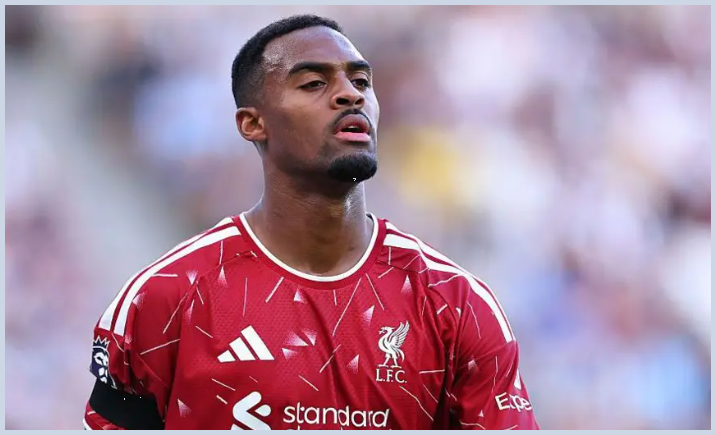
Liverpool’s Midfield Warning: Is a Defensive Recruit Still Needed?
Liverpool’s 2–2 draw at Newcastle United has renewed debate about the club’s midfield balance and whether a specialist defensive midfielder should be added before the transfer window closes.
The Reds created enough chances to win at St James’ Park, recording an expected-goals figure of 2.73 compared with Newcastle’s 1.43. However, the home side made better use of its opportunities, scoring twice on the counter-attack before Liverpool rescued a point through Cody Gakpo and a stoppage-time penalty from Dominik Szoboszlai.
Two costly midfield turnovers
Liverpool started positively in the north-east, moving the ball quickly and controlling possession during the opening exchanges.
Just over four minutes had been played when Ryan Gravenberch created space with an excellent touch to evade Lewis Miley. Instead of shooting from the edge of the area or releasing Szoboszlai, the Netherlands international lost possession.
Newcastle immediately broke forward. After Amar Dedić cleared the ball, the hosts needed only one pass to release Anthony Elanga, who finished the counter-attack and put Newcastle ahead.
Liverpool were exposed again after the interval. Gravenberch attempted a backheel near the Newcastle penalty area but was dispossessed. Yoane Wissa then surged through the centre, carried the ball beyond several Liverpool players and supplied Joe Willock, who produced a composed finish.
Both goals highlighted Liverpool’s vulnerability when possession is lost in advanced areas. The midfielders were too high up the pitch, while the defensive line was slow to engage the ball carrier.
Is personnel the main problem?
Liverpool have not had a specialist number six of the quality of Fabinho since the Brazilian left the club in 2023. Under Iraola, the preferred structure has generally involved a two-man midfield pivot behind Florian Wirtz, who operates in a more advanced role.
That setup can provide greater attacking creativity, but it also places considerable responsibility on the two deeper midfielders when Liverpool lose the ball.
In the build-up to Elanga’s goal, both Gravenberch and Szoboszlai had moved into the Newcastle box. Once the turnover occurred, there was no natural holding midfielder in position to delay the counter or protect the centre-backs.
However, Iraola rejected the idea that the problem was simply a lack of a defensive midfielder.
“I don’t think it is only about the personnel,” the Liverpool head coach said. “If Ryan shoots and scores, everyone talks about what a great action it was. These situations have to be corrected collectively.”
Iraola’s argument was supported to some extent by Gravenberch’s contribution at the other end, as he helped create the move for Gakpo’s equaliser. The coach believes Liverpool’s defensive reaction, decision-making and compactness must improve across the whole team rather than being left to one player.
Mac Allister brings greater control
Liverpool looked more secure after Alexis Mac Allister replaced Wirtz shortly after Newcastle restored their lead.
Mac Allister is not a conventional defensive midfielder either, but his reading of the game and ability to compete in duels gave Liverpool greater stability.
The statistics underline the contrast. Szoboszlai made no tackles and won three of his 10 duels, while Gravenberch also failed to register a tackle and won four of 10 contests. Mac Allister, by comparison, made two tackles and won four of his five duels.
The change did not completely solve Liverpool’s defensive problems, but it helped the visitors regain control and apply pressure in the final stages.
Sturridge calls for a different profile
Former Liverpool striker Daniel Sturridge believes the club still lack a midfielder with the defensive qualities needed to protect the team.
“Liverpool do not have that profile of player right now,” Sturridge said on Sky Sports. “They have needed a defensive midfielder for three years, and most of their midfielders are naturally attacking players.”
That assessment reflects a long-standing recruitment question at Anfield. Liverpool attempted to sign Moisés Caicedo in 2023 and later pursued Martín Zubimendi after Arne Slot took charge in 2024, but neither move produced the desired specialist holding midfielder.
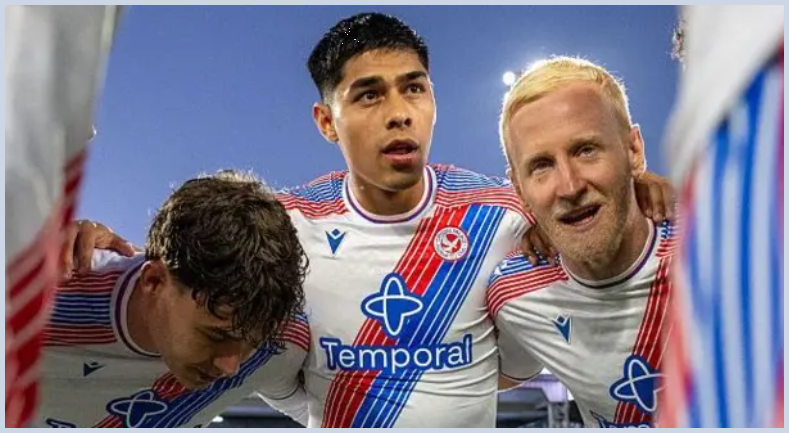
The club has also previously made enquiries about Adam Wharton, although Crystal Palace’s position remains that the 22-year-old is not available for transfer.
Why Liverpool may not buy
Despite the concerns exposed at Newcastle, Liverpool’s transfer priorities have reportedly not changed.
The club is understood to be focusing on adding wide attacking players rather than making another midfield signing. The departure of Curtis Jones has not significantly altered that approach, with Iraola believed to be satisfied with the depth available in the position.
Wataru Endō, Trey Nyoni and James McConnell are among the alternative options if Liverpool require greater defensive protection. The coaching staff may also believe the existing players can improve their positioning and counter-pressing through tactical work.
The issue is that the current midfield was assembled to provide technical quality and attacking variety. It may lack the specialist defensive instincts required when Liverpool commit several players forward.
Attack strengthened, midfield overlooked
Liverpool’s previous summer recruitment concentrated heavily on their attack. Alexander Isak, Florian Wirtz and Hugo Ekitike added significant quality in the final third, but the centre of midfield was not reinforced to the same extent.
Ryan Gravenberch’s excellent campaign under Slot helped Liverpool win the Premier League and temporarily concealed some of the structural concerns. His ability to carry the ball and contribute creatively made him an effective midfielder, but those strengths do not automatically make him a natural holding player.
The Newcastle match offered a reminder that Liverpool can dominate the ball and still be vulnerable if their rest defence is poorly organised.
The decision facing Iraola
Liverpool do not necessarily need to abandon their attacking approach, but they must become more disciplined when possession changes hands.
That could mean signing a specialist defensive midfielder, adjusting the double pivot, asking one midfielder to remain deeper or improving the team’s counter-pressing structure. The solution may involve several changes rather than one new arrival.
Iraola is right that the responsibility cannot rest on one player alone. Nevertheless, if Liverpool continue to leave the centre exposed, opponents will target the same weakness repeatedly.
With the transfer window closing soon, Liverpool must decide whether their current midfield has enough defensive security to compete at the highest level or whether the warning signs at Newcastle justify one final move.

💬 Comments (0)
No comments yet. Be the first!
Leave a Comment