Bookmaker Odds 5: How to Read Markets and Bet More Responsibly
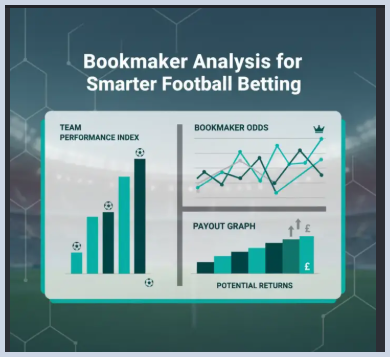
Bookmaker Odds 5 can give football followers a convenient way to monitor changing prices, compare match indicators and study market sentiment before and during major fixtures. Some platforms bring several markets together, allowing users to follow Kèo nhà cái, team statistics and price movements from one dashboard.
However, odds should be treated as market information rather than a guarantee of a winning result. A disciplined bettor combines the available data with team news, form analysis and strict bankroll limits before making any decision.
Main markets to understand
Understanding the basic markets is essential before using any Bookmaker Odds 5 board. Each option measures a different aspect of a match:
- Asian handicap: A virtual advantage or disadvantage is applied to one team to create a more balanced contest. For example, a -0.5 handicap requires the selected team to win, while a +0.5 line covers a draw as well as a victory.
- European three-way result: This market asks users to predict a home win, draw or away win. Unlike the Asian handicap, the draw remains a separate outcome.
- Goals over or under: Bettors predict whether the total number of goals will be above or below a stated line, such as 2.5.
- Corner markets: These focus on the combined number of corners, or the corner total recorded by a particular team.
Quarter-ball handicaps, including -0.25 and +0.75, divide the stake between two neighbouring lines. This means settlement can involve a full win, half win, half loss, refund or full loss, depending on the final score. Always check the exact line and settlement rules before placing a wager.
Reading price movement
A betting line can change when bookmakers respond to team news, injuries, suspensions, weather conditions, confirmed line-ups or the flow of money entering the market. A movement does not automatically identify the correct selection, but it can signal that new information has influenced the price.
For example, a handicap moving from -0.5 to -0.75 may indicate stronger support for the favourite. That shift can also mean the original price has disappeared, so following the movement blindly may offer poorer value. Comparing the opening line with the current figure on Bookmaker Odds 5 can help users understand how the market has developed.
Late changes deserve particular attention. A sudden adjustment shortly before kick-off may follow the withdrawal of a key striker, a goalkeeper change or a tactical alteration. Rather than reacting emotionally, confirm the reason for the move and assess whether the new price still reflects your original analysis.
Using live betting markets
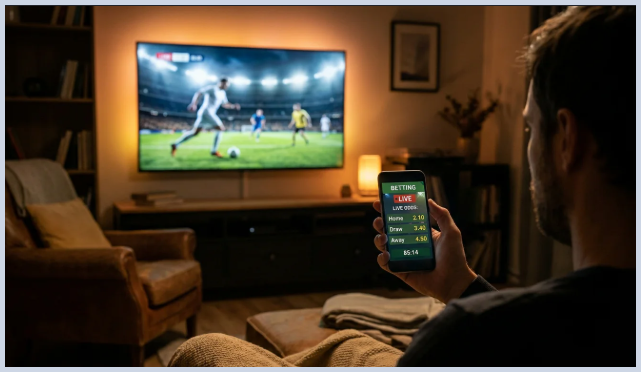
In-play markets update as the match changes. The score, time remaining, possession, shots, red cards, substitutions and attacking pressure can all influence the available odds. A dangerous counterattack or dismissal may cause prices to move within seconds.
Live betting requires more than watching the score. Consider:
- Which team is controlling territory?
- Are chances being created regularly or only through isolated attacks?
- Has the leading side become passive?
- Are substitutions changing the balance?
- Does the price still reflect what is happening on the pitch?
Avoid placing a wager immediately after a goal or red card unless you fully understand the updated market. Prices often move sharply during these moments, and the first available figure may not represent good value. A short pause can give the market time to settle, although no delay guarantees a better price.
Connection speed and broadcast delays also matter. If the picture reaches you later than the bookmaker’s data feed, other market participants may already have acted. Users should therefore avoid staking money they cannot afford to lose and should never chase a fast-moving line.
Build analysis around evidence
The most useful way to apply Bookmaker Odds 5 is to combine price information with football analysis. Important factors include:
- Results and performances across the last five matches.
- Home and away records.
- Expected starting line-ups and player availability.
- Suspensions, injuries and workload concerns.
- Goals scored and conceded from set pieces.
- Recent head-to-head meetings, used carefully rather than in isolation.
- Weather, pitch condition and travel demands.
- Tactical matchups, including how each team handles pressing, crosses and counterattacks.
A team may have a strong overall record but struggle against an opponent that defends deep and attacks the space behind its full-backs. Likewise, a historically favourable head-to-head record may have limited value if the managers, players and tactical systems have changed.
The odds can help reveal how the market views a fixture, but they should support, not replace, your own assessment. Record the opening price, the closing price and the final outcome over time. This creates a more reliable way to review your decisions than judging a strategy only by a few wins or losses.
Protect the betting bankroll
Smart betting is built around risk control. Set a fixed betting budget, decide the maximum stake before each wager and avoid increasing the amount to recover a previous loss. Never treat a market movement as proof that a bet is certain.
Useful habits include:
- Use consistent stake sizes rather than risking large amounts on one match.
- Compare prices across reliable, legally available bookmakers.
- Check whether the quoted odds are decimal, fractional or another format.
- Read the settlement terms for handicaps, totals and abandoned matches.
- Keep records of selections, prices, stakes and results.
- Avoid betting when tired, angry or influenced by a favourite team.
- Stop when your predetermined daily or weekly limit is reached.
Where sports betting is regulated, users should choose licensed operators and follow local age and gambling laws. If betting begins to affect finances, relationships or daily responsibilities, stop and seek support from an appropriate responsible-gambling service.

💬 Comments (0)
No comments yet. Be the first!
Leave a Comment