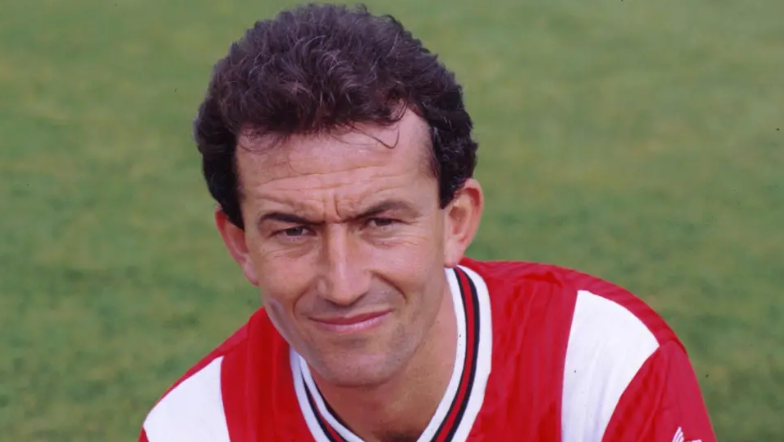
Tony Pulis: Why Football Managers Must Protect Their Health and Fitness
Football management has evolved enormously over the past few decades, but Vincent Kompany’s recent health scare was a stark reminder that the job remains physically and mentally punishing. For Tony Pulis, the lesson is simple: managers cannot properly care for a team unless they first take care of themselves.
Pulis says he has long understood the health risks attached to football management. The death of Scotland manager Jock Stein after a World Cup qualifier against Wales in 1985 remains one of the sport’s most tragic examples, while Graeme Souness, Sir Alex Ferguson, Gerard Houllier, Joe Kinnear and Harry Redknapp have all experienced serious heart-related problems over the years.
The dangers are not limited to managers with existing health concerns. Twenty-five years ago, Leicester City’s Dave Bassett and Bolton Wanderers’ Sam Allardyce took part in a study in which they wore heart monitors during a league match. The results were alarming: Allardyce’s heart rate reached 160 beats per minute, while Bassett’s blood pressure peaked at 190mmHg and he experienced an irregular heartbeat as the game reached its climax.
A Job That Never Switches Off
Pulis believes the pressure begins long before matchday and continues long after the final whistle. Managers are responsible for recruitment, coaching, staffing, finances, results and public criticism, often simultaneously.
When he took his first managerial role at Bournemouth in 1992, Pulis quickly discovered how demanding the role could be. He wanted control over every footballing decision, from scouting and signing players to organising staff across the first team, reserves and youth setup, all while working within the club’s financial limits.
He also refused to distance himself from training-ground work. Pulis believed that first-team performance was ultimately his responsibility, so he continued coaching in a way that suited his players and gave them the best possible chance of winning.
But that total commitment came at a personal cost. In his early years, Pulis admits his own self-care was poor. Long scouting trips meant motorway service stations, fish and chips, half-time pies or quick sandwiches, while exercise and proper recovery were often neglected.
“I was young and could deal with it, so it never crossed my mind that I wasn’t eating well or getting the exercise I needed,” he says.
The psychological strain became clearer once results dipped. Every defeat brought criticism directly to the manager, often from people with no understanding of the wider circumstances affecting the club. Pulis argues that this is still true today: managers may have less control over how clubs are run than they once did, but they still absorb most of the blame when performances fall short.
“That’s why it’s so stressful,” he says. “All the arrows and guns are pointed in your direction, and you have no way of protecting yourself, apart from by winning games.”
Finding a Healthier Routine
A conversation with an Australian triathlete shortly before Pulis left Bournemouth in 1994 became a turning point. The athlete told him that management was harming both his physical fitness and, more seriously, his long-term health through stress.
That discussion forced Pulis to reconsider the compromises he was making for his career. He resolved that, in his next job, he would build a more sustainable lifestyle and make his own fitness a priority.
His solution was disciplined but practical: exercise early each morning, before breakfast and before the working day began. Even on exhausted days, he would walk and stretch rather than abandon the routine entirely.
At Gillingham in 1999, he took on his first London Marathon, using the challenge to stay focused on his physical health during the season. Over the years, he has continued taking on endurance challenges for charity, including cycling from John O’Groats to Land’s End, climbing Mount Kilimanjaro and rowing from Tower Bridge to the Eiffel Tower.
Pulis says regular exercise became a vital stress management tool. Physical tiredness helped him sleep more deeply, reducing the nights spent lying awake worrying about results, selection decisions or club problems.
Protecting Mental Wellbeing
Physical health was only part of the answer. Pulis also developed habits to protect his mental health.
Despite the growth of online coverage, he made a deliberate decision never to read press coverage about himself or his teams, whether positive or negative. He worked hard, chose trusted staff he could confide in, and relied on his family to help him switch off.
After matches, he would often drive home to the south coast, reflecting on the result and beginning preparations for the next fixture. But Sundays were reserved for family time.
Whether watching his son Anthony play football as a child or simply spending the day with his children, Pulis says that family routine became a crucial release valve. It allowed him to step away from football’s pressures and return to work with a clearer mind.
More Support Than Before
Pulis believes today’s managers have access to far better support than those starting out in the 1990s. In earlier eras, clubs rarely considered managers’ health, and long hours, poor diets, alcohol and irregular sleep were often treated as part of the job.
That has changed. The League Managers’ Association now offers regular health screening through its ‘Fit To Manage’ programme, while many clubs extend medical and wellbeing support beyond players to coaching staff.
Still, Pulis warns that the pressures of management remain intense. Young managers must actively maintain their enthusiasm for self-care because that is precisely when they will need it most.
“Under the constant stress you will put yourself under, it is dangerous not to,” he says.
Management can still be a lonely profession, but Pulis believes the help available today is on a completely different level from when he began his career.



💬 Comments (0)
No comments yet. Be the first!
Leave a Comment